
I saw this thing on TikTok where this girl was talking about decentering men, and then she was like, "Now, I have to decenter my family."
non-penile patriarchies, should we short film?, and vernacular animation

¿What you heard?
I saw this thing on TikTok where this girl was talking about decentering men, and then she was like, “Now, I have to decenter my family.”
I don’t have to decenter men. I’m a lesbian, so men don’t exist in my world, but my family — they’re the patriarchy.
Sadly, I am not a lesbian or a girl on TikTok or even a guy on TikTok. Yet, despite all these handicaps, I still understood what Andrea (a new friend!) was getting at.
I’ve seen it in many of my old friends, even (and sometimes especially) those from “good families”.
The power of family expectations, whether it's an expectation to get married or simply an expectation to eat dinner at the table every night, grows so domineering that it becomes an oppressive force that traps them into making decisions for their families rather than for themselves, a malignant practice that can quickly metastasize into a mind-fucking life-damaging ill.
What you doin’?!
Honestly, a likkle surprised no one called me a hypocrite for this post because, for at least a couple years now, I have been evangelizing against short films.
Actually, what I’m talking about here is disguising a pilot as a short film for a grant application, so I’m not really making a short, but should I be?
My issue with shorts is that no one watches them, and so they don’t go anywhere… or at least, they didn’t.
Today, people watch more short form than long form, so what does that mean for the short film?
Should shorts be the end instead of the means?
What you seen??
IYANU (2025-) prides itself on its comprehensive Yoruba cultural authenticity from the soundtrack to the script to the voice actors, so I was surprised that Roye Okupe, the show’s creator, chose to root the visual style in anime.
There’s this term vernacular architecture that describes buildings that look of the place where they stand.
I used to walk around Ulaanbaatar with my friend Munkhbat, and he would point out how, with traditional yurts on the outskirts, Soviet panelki in the city center, and Tibetan Buddhist monasteries throughout, Mongolia’s capital lacks a distinctly Mongolian modern architectural language.
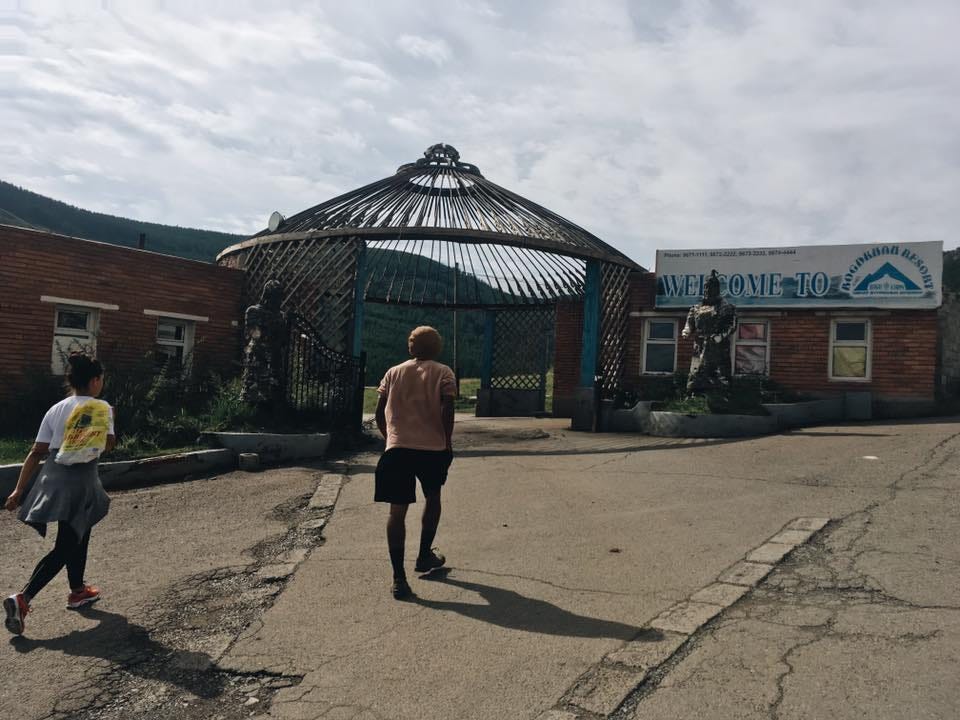
Remembering those walks got me thinking, ‘Why not animate Iyanu as West African vernacular animation?’ So I asked Roye…